

Owning a manufactured home comes with distinct benefits, yet it also requires diligent maintenance to ensure your investment stays sound. One important aspect of this upkeep is leveling your mobile home. An unlevel home can lead to a host of issues, from structural damage and foundation setbacks to common annoyances like sticking doors and uneven floors. Grasping why and how to level your mobile home is crucial for maintaining a safe living environment.
In this guide, we will walk you through the necessary checklist for leveling your mobile home. If you're a seasoned DIY enthusiast or a first-time homeowner, our thorough step-by-step instructions will enable you to take charge of your mobile home's leveling needs. With the appropriate tools, accurate techniques, and a keen eye for detail, you'll be well on your way to guaranteeing your home is steady for years to come. Let’s dive into the significance of leveling, the signs that indicate your home may be out of level, and the preparations required for a effective leveling process.
Grasping Mobile Home Stabilization
Leveling a manufactured home is a important process to ensure the stability and protection of your environment. Dissimilar to conventional houses, mobile homes are more vulnerable to displacement due to natural conditions, foundation complications, and also settling as time passes. Correct balancing does not only improves convenience but also increases the overall effectiveness of the home, including the operation of doors, panes, and equipment.
When a trailer is out of level, you may detect a variety of problems, ranging from tilted surfaces to doors that won’t shut correctly. These difficulties can intensify if left unaddressed, leading to issues with structure and costly repairs. Comprehending the relevance of keeping a level mobile home is important for homeowners who want to maintain their investment and secure a stable home environment.
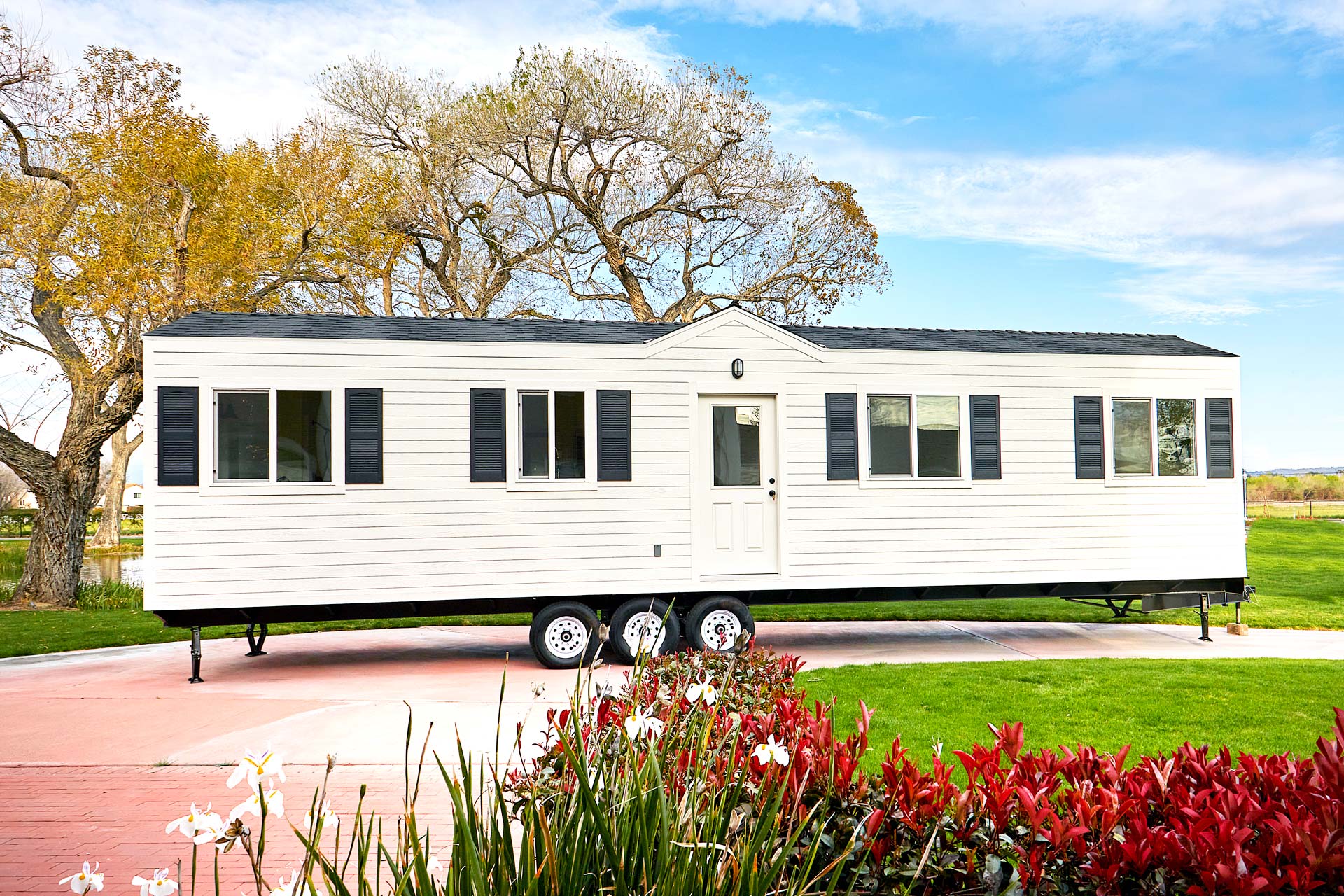
The adjustment process typically involves a combination of inspection and realignment techniques. Property owners need to become acquainted with the signs suggesting that their trailer is not level and the tools needed for the leveling process. By gaining expertise about trailer balancing, you can effectively address this task and maintain the structure of your home for the long term.
Crucial Equipment and Protective Precautions
To effectively stabilize your trailer, you'll need to assemble several necessary tools. A hydraulic or screw jack is important for lifting the home safely, allowing for accurate adjustments. Additionally, a spirit level—such as a digital level or water level—provides accuracy in checking the evenness of the foundation. Other important items include reliable shims to prop up the home once it's been raised, a measuring tape for ensuring correct positioning, and a pry bar to assist in modifications when required. Make sure to include safety gear like gloves and goggles to safeguard yourself during the process.
Protection is essential when stabilizing a mobile home. Before starting, take time to assess the work area, ensuring it is clear of obstacles and has a level surface. It's crucial to check your jacks for any signs of wear and ensure they can bear the load of the structure. When lifting the home, do so slowly and avoid raising it too high at once, which can lead to instability. Also, always have someone with you during the operation; an additional set of hands can help spot potential dangers and ensure that all safety measures are adhered to.
After stabilizing, ensure the home is secure before occupying it. Check that the jacks and shims are firmly in place and monitor for any signs of shifting, especially after significant rainfall or fluctuations in climate. Consistently inspecting and maintaining How to level a mobile home will help avoid future issues, ensuring your mobile home remains secure and livable. By being ready and careful, you can make the leveling process smooth and efficient.
Sequential Leveling Process
To begin the leveling procedure, clear the area around your mobile home to allow for easy access to the foundation. Inspect the ground for any signs of erosion, settling, or water accumulation that may have contributed to your home being out of level. After you have a clean work area, gather the essential tools and materials needed, such as a water level or laser level, blocks, shims, and jacks. This preparation is critical for an effective leveling task.
Following that, check the current level of your home using your selected leveling method. Start at the center of the home and then check the corners. If you see that the home is not level, identify the low side and begin jacking it up slowly. Place blocks or shims underneath the mobile home’s frame to achieve proper leveling. Take trailer house leveling professional and make sure each adjustment is accurate, rechecking with your level regularly.
Once achieving the desired level, secure the frame by locking in blocks or installing piers as necessary. This step strengthens the structure and prevents future settling. Once everything is set, conduct a final check to ensure the home is stable and level. Finally, remember to consistently check your mobile home’s level, especially after extreme weather changes or soil shifts, to maintain a secure living environment.
Lonestar Mobile Home Leveling & Skirting
276 County Rd 1700
Clifton, TX 76634
(254)266-5369