

An properly leveled mobile home is essential for both comfort and structural integrity. Numerous homeowners may not understand the significance of leveling until they experience symptoms of an uneven structure, such as sticking doors, irregular floors, or cracks in the walls. If you have lately purchased a mobile home or are noticing these issues in your existing residence, it might be time to consider DIY mobile home leveling. This process not only helps ensure the safety of your home but additionally protects your investment and increases the life of your property.
In this comprehensive guide, we will take you through the essential tools and techniques required for leveling your mobile home. From recognizing the signs that it is out of level to understanding the multiple methods of adjustment, you will be equipped with the knowledge to tackle this project with confidence. Whether you're addressing slight shifts caused by weather or planning greater leveling on a sloped lot, we will guide you through the process, ensuring you have the skills required for a successful leveling experience. Let’s get started on the journey to a stable and cozy living environment.
Crucial Equipment for Adjusting Your Mobile Home
To effectively adjust your mobile home, having the appropriate tools is critical. installing skirting on a mobile home should include a high-quality water level or laser level to ensure exact measurements. These tools help you check if your home is placed evenly on its foundation. Additionally, installing skirting on a mobile home measuring tape is vital for verifying distances and making sure that your home is square, which is key for obtaining a level surface. It can also be beneficial to have a basic calculator on hand for any figures you may need to do related to adjusting.
Jacks are another critical tool for the balancing process. You’ll want to use adjustable mobile home jacks, which allow you to elevate your home gradually to target levels. Having a collection of blocking materials, such as concrete blocks or wooden shims, is also crucial to hold the home after leveling. These materials will help provide support and prevent future settling. Always ensure that your jacks are rated for the load of your mobile home to ensure safety throughout the process.
Protective gear should not be forgotten while you tackle this DIY project. Wearing safety boots is recommended, as well as gloves and safety goggles to guard against debris and potential hazards. A hard hat might also be useful if you’re working under the home. Prioritizing your safety while performing the work will create a more successful leveling process and help you avoid accidents. With these necessary tools ready to go, you can assuredly begin leveling your mobile home.
Stage-by-Stage Leveling Process
Begin by getting ready your mobile home and the surrounding site for the leveling process. Clear away any debris, stones, or plants from around the perimeter to guarantee easy access to the foundation. Check the ground for drainage issues, as standing water can affect stability. Utilize a measuring tape to assess the height of different foundation points, noting any notable differences that indicate areas needing adjustment.
Afterward, gather your leveling tools, including a water level or laser level for precise measurements. Commence the leveling process by jacking up the home at the low points marked earlier. Employ hydraulic jacks to raise the home slowly, watching closely to avoid lifting too much. Once the home is at the desired height, place sturdy blocks or piers underneath to provide support. Insert shims as needed to fill gaps and ensure stability, making sure the weight is evenly distributed.
Once securing the frame with supports, it is vital to double-check the level. This step involves using your leveling tool again to verify that your adjustments have brought the home to a level position. Make any necessary fine-tuning adjustments, and when happy with the results, secure everything in place. Finally, think about a seasonal maintenance schedule to routinely check the level, making adjustments as the ground compacts or environmental conditions alter.
Common Issues and Resolutions
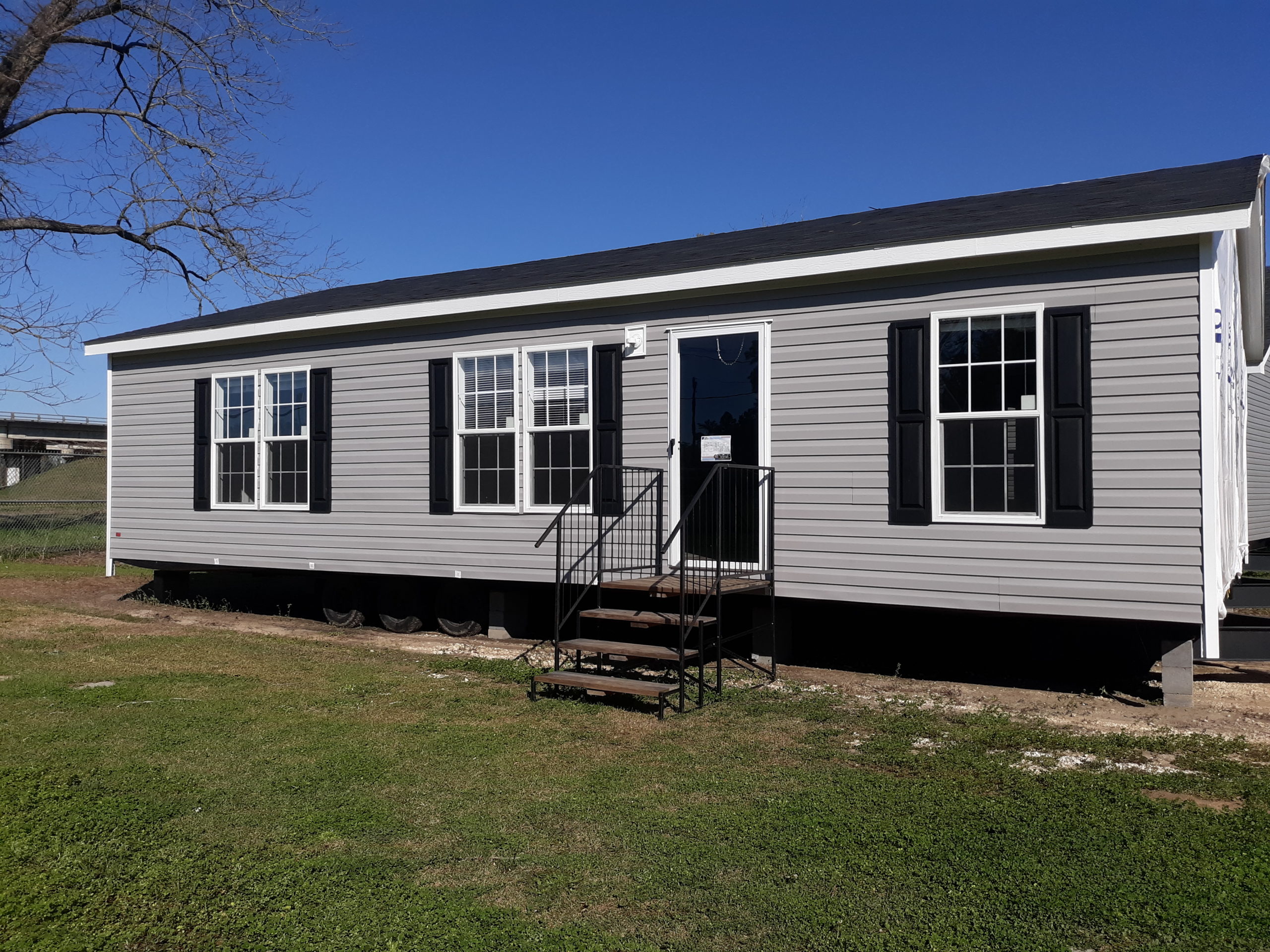
One common issue homeowners face when leveling a manufactured home is the presence of hindrances, such as shrubs or stones near the foundation, which can hinder access to leveling points. To resolve this, assess your site and eliminate any debris or plants that may block your work area. In some cases, you may need to contract a professional service to address larger hindrances safely. Ensuring house leveling have a clear pathway will ease a smoother leveling process and prevent unintentional damage to your home or tools.
Another frequent challenge is discovering that the ground under the mobile home has settled or eroded, causing uneven support. If you find that some support blocks or piers are not providing sufficient elevation, think about redistributing the weight by adjusting your support system. Using additional blocks or piers under compromised areas can help secure the structure. Additionally, reinforcing the soil with gravel or other materials can resolve erosion issues and ensure a more stable foundation for your manufactured home.
Lastly, many homeowners neglect regular maintenance checks, which are crucial for sustaining a level mobile home. After the initial leveling process, it's important to periodically inspect for any signs of movement or shifting. Set a plan to check your home’s level, such as every single six months, and make changes as necessary. Observing your home can help identify any potential issues early, ensuring that you maintain the gains of a properly leveled manufactured home for years to come.
Lonestar Mobile Home Leveling & Skirting
276 County Rd 1700
Clifton, TX 76634
(254)266-5369